SALE The Architectural Image and Early Modern Science
This book is unused and unread. It has some cosmetic imperfections such as significant scuffing, tearing and creasing. It is stamped 'damaged'. No further discounts.
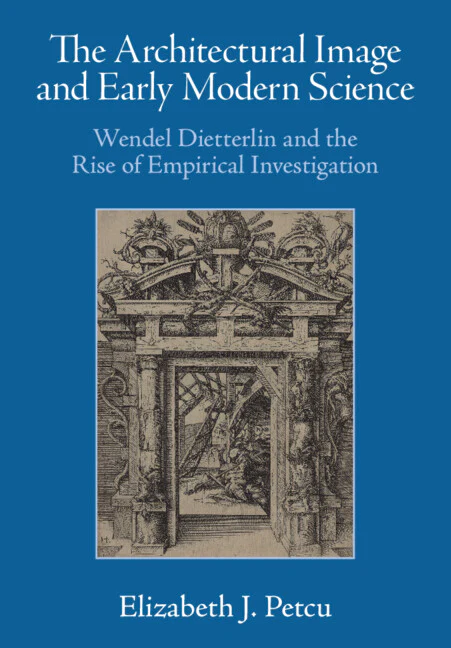
The Architectural Image and Early Modern Science: Wendel Dietterlin and the Rise of Empirical Investigation explores how architectural media came to propel scientific discourse between the eras of Dürer and of Rubens. It is also the first English-language book to feature the polymathic, eccentric, and long-misunderstood artist Wendel Dietterlin (c. 1550–1599). Here, Elizabeth J. Petcu reveals how architectural paintings, drawings, sculptures, and prints became hotbeds of early modern empiricism, the idea that knowledge derives from sensory experience. She demonstrates how Dietterlin's empirical imagery of architecture came into dialogue with the image-making practices of early modern scientists, a rapport that foreshadowed the intimate relationships between architecture and science today. Petcu's astute insights offer historians of art, science, and architecture a new framework for understanding the role of architectural images in the foundations of modern science. She also provides a coherent narrative regarding the interplay between early modern art, architecture, and science as a catalyst for modern empirical philosophy.
Product Information
Product Information
Shipping & Returns
Shipping & Returns
SALE The Architectural Image and Early Modern Science
SALE The Architectural Image and Early Modern Science
This book is unused and unread. It has some cosmetic imperfections such as significant scuffing, tearing and creasing. It is stamped 'damaged'. No further discounts.
The Architectural Image and Early Modern Science: Wendel Dietterlin and the Rise of Empirical Investigation explores how architectural media came to propel scientific discourse between the eras of Dürer and of Rubens. It is also the first English-language book to feature the polymathic, eccentric, and long-misunderstood artist Wendel Dietterlin (c. 1550–1599). Here, Elizabeth J. Petcu reveals how architectural paintings, drawings, sculptures, and prints became hotbeds of early modern empiricism, the idea that knowledge derives from sensory experience. She demonstrates how Dietterlin's empirical imagery of architecture came into dialogue with the image-making practices of early modern scientists, a rapport that foreshadowed the intimate relationships between architecture and science today. Petcu's astute insights offer historians of art, science, and architecture a new framework for understanding the role of architectural images in the foundations of modern science. She also provides a coherent narrative regarding the interplay between early modern art, architecture, and science as a catalyst for modern empirical philosophy.
Original: $60.39
-65%$60.39
$21.14Product Information
Product Information
Shipping & Returns
Shipping & Returns
Description
This book is unused and unread. It has some cosmetic imperfections such as significant scuffing, tearing and creasing. It is stamped 'damaged'. No further discounts.
The Architectural Image and Early Modern Science: Wendel Dietterlin and the Rise of Empirical Investigation explores how architectural media came to propel scientific discourse between the eras of Dürer and of Rubens. It is also the first English-language book to feature the polymathic, eccentric, and long-misunderstood artist Wendel Dietterlin (c. 1550–1599). Here, Elizabeth J. Petcu reveals how architectural paintings, drawings, sculptures, and prints became hotbeds of early modern empiricism, the idea that knowledge derives from sensory experience. She demonstrates how Dietterlin's empirical imagery of architecture came into dialogue with the image-making practices of early modern scientists, a rapport that foreshadowed the intimate relationships between architecture and science today. Petcu's astute insights offer historians of art, science, and architecture a new framework for understanding the role of architectural images in the foundations of modern science. She also provides a coherent narrative regarding the interplay between early modern art, architecture, and science as a catalyst for modern empirical philosophy.