🚚 Free Worldwide Shipping on All Orders!Shop Now
Patchwork Freedoms
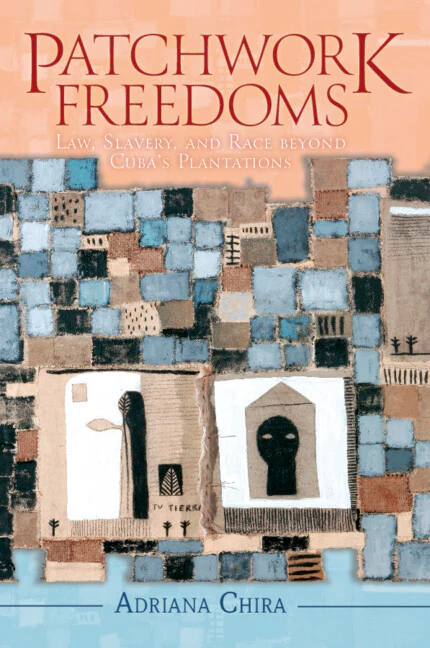
In nineteenth-century Santiago de Cuba, the island of Cuba's radical cradle, Afro-descendant peasants forged freedom and devised their own formative path to emancipation. Drawing on understudied archives, this pathbreaking work unearths a new history of Black rural geography and popular legalism, and offers a new framework for thinking about nineteenth-century Black freedom. Santiago de Cuba's Afro-descendant peasantries did not rely on liberal-abolitionist ideologies as a primary reference point in their struggle for rights. Instead, they negotiated their freedom and land piecemeal, through colonial legal frameworks that allowed for local custom and manumission. While gradually wearing down the institution of slavery through litigation and self-purchase, they reimagined colonial racial systems before Cuba's intellectuals had their say. Long before residents of Cuba protested for national independence and island-wide emancipation in 1868, it was Santiago's Afro-descendant peasants who, gradually and invisibly, laid the groundwork for emancipation.
Product Information
Product Information
Shipping & Returns
Shipping & Returns
Patchwork Freedoms
Patchwork Freedoms
In nineteenth-century Santiago de Cuba, the island of Cuba's radical cradle, Afro-descendant peasants forged freedom and devised their own formative path to emancipation. Drawing on understudied archives, this pathbreaking work unearths a new history of Black rural geography and popular legalism, and offers a new framework for thinking about nineteenth-century Black freedom. Santiago de Cuba's Afro-descendant peasantries did not rely on liberal-abolitionist ideologies as a primary reference point in their struggle for rights. Instead, they negotiated their freedom and land piecemeal, through colonial legal frameworks that allowed for local custom and manumission. While gradually wearing down the institution of slavery through litigation and self-purchase, they reimagined colonial racial systems before Cuba's intellectuals had their say. Long before residents of Cuba protested for national independence and island-wide emancipation in 1868, it was Santiago's Afro-descendant peasants who, gradually and invisibly, laid the groundwork for emancipation.
$11.74
Original: $33.55
-65%Patchwork Freedoms—
$33.55
$11.74Product Information
Product Information
Shipping & Returns
Shipping & Returns
Description
In nineteenth-century Santiago de Cuba, the island of Cuba's radical cradle, Afro-descendant peasants forged freedom and devised their own formative path to emancipation. Drawing on understudied archives, this pathbreaking work unearths a new history of Black rural geography and popular legalism, and offers a new framework for thinking about nineteenth-century Black freedom. Santiago de Cuba's Afro-descendant peasantries did not rely on liberal-abolitionist ideologies as a primary reference point in their struggle for rights. Instead, they negotiated their freedom and land piecemeal, through colonial legal frameworks that allowed for local custom and manumission. While gradually wearing down the institution of slavery through litigation and self-purchase, they reimagined colonial racial systems before Cuba's intellectuals had their say. Long before residents of Cuba protested for national independence and island-wide emancipation in 1868, it was Santiago's Afro-descendant peasants who, gradually and invisibly, laid the groundwork for emancipation.